When my mother was admitted to a nursing home, her doctor, nurses and facility administrators encouraged me to let her die, to “die with dignity”. She was past 90 years old; she had had Alzheimer’s for a dozen years; she had just broken a hip and was now immobile. There was virtually no hope of surviving when she refused to eat or drink. She didn’t realize the implications of her own actions; she simply lost the desire for whatever reason. I repeatedly encouraged her to eat; I tried to reason with her. We all knew she would die soon, so just let her die, they said. It was the logical choice. It was the most humane choice, they said. Further, the cost would mount quickly and (per the facility) unnecessarily.
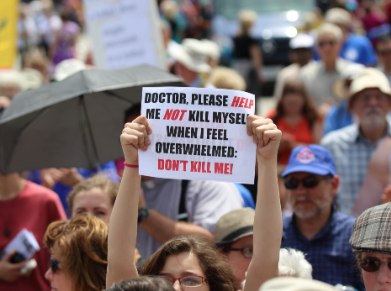
Despite the pressure, I went against the consensus. I pressed for an IV, a simple, low cost, virtually painless treatment. Without it she would literally die of thirst. In the end, the IV sustained her for three weeks. She still died painlessly and with dignity. All the warnings given me, including the accusations I was selfishly prolonging the pain for us all, never materialized.
Years earlier, my father faced a similar situation. His mental state had been permanently altered by his condition and he had been on a ventilator for weeks. He had already been through many scares; he had suffered a heart attack and been treated for cancer in the years preceding (I thought that meant nothing could kill him). The doctor gave him a small chance to live if the ventilator were removed. We could keep the ventilator and hope for a better situation in a uncertain future. On the other hand, the likely prospect was he would remain on the ventilator interminably; there was no reason to expect improvement. Did we want to keep him in limbo for months or possibly years? Maybe the real question was: did we fear death so much? Further, the ventilator made my father extremely uncomfortable; he tried repeatedly to remove it. So, we took a risk, hoping his life would continue and be more normal without the ventilator. He did indeed survive another month without it. His health did not improve and he still couldn’t communicate with us, but his last weeks were better: he could sit up; he could eat; he could live a semblance of a normal life (what was left of it).
You may ask: why press for an intervention for my mother but remove the intervention for my father? Is there a consistent logic? Did feelings towards one parent or the other affect the choices? I can easily explain and defend the choices made. I applied simple principles in both situations.
Unfortunately, when government becomes involved in end-of-life decisions (as it now has with government approved assisted suicides in Canada) the principles are very different, and not all defensible.
In 2021, there were 10,064 MAID (Medical Assistance in Dying) provisions reported in Canada, accounting for 3.3% of all deaths in Canada.
Let’s compare the choices made for my parents with the choices made by the Canadian government.
How Do We Decide?
My faith in God and the importance I place on life, both at its beginning and its end, influenced my view in these instances. Still, I did not act without reason. Faith and reason came together as they often do.

Without faith in God and an afterlife, the calculus is completely different. Perhaps, you simply cling to life no matter the situation. This life is all we have, so you hold on to it desperately. Or perhaps life simply becomes an economic decision for those aiding or deciding for you. Of course, our lives have value to others; however, without God’s influence, we often reduce the value of a person’s life.
Still, those of us of faith don’t cling to life at all costs because there is another (hopefully better for each of us) life to come. We know surrender to this life is not an end to our existence. Further, there points when life should be allowed to end naturally. Are we even living if we cannot interact with others but are connected to a machine which keeps our body functioning for years?
We keep people alive with basic first aid, tourniquets, CPR, defibrillators, epi-pens, penicillin, and so many other simple interventions. We should always attempt to save a life in crisis. We do not judge a person’s worth in such moments because we value life itself, no matter whose it is. Longer term interventions: pacemakers, dialysis, oxygen tubes, chemotherapy, amputations, bypass surgeries, feeding tubes, ventilators, etc. keep us alive as well. In most cases these are necessary, but not always. I am not an MD; I cannot provide medical advice on these treatments. A doctor’s input is valuable and should not be discounted, but I, and others in similar situations, can make many other decisions; a doctor is not the ultimate authority for all decisions.

With my mother, I embraced the principle death should be natural. The nursing home proposed denying basic sustenance to hasten her death. Fluids, water basically, are essential to life. Denying water leads to certain death; that was the point. Providing an IV, basic nourishment for someone who had lost her capacity to reason, was the only humane option in my opinion. She didn’t want the nourishment, but she wasn’t in her right mind either. We often overrule (if we can) or discourage others when they make irrational decisions for themselves. Further, withholding treatment would cause unnecessary pain and suffering; dying of thirst is not exactly painless: https://www.ranker.com/list/what-is-dying-of-thirst-like/laura-allan. I would have the guilt of allowing that suffering.
I also didn’t like their attempt to control this outcome. I could have allowed us all to get on with our lives sooner, but I asked myself: did I have the right to take away not just the pain and the inconvenience, but everything else, including the good that might still come from the life that remained? Withholding water from another also leads to an unnatural death. I concluded I had the legal right to decide when my mother would die, but not the moral right. I had the responsibility to facilitate a natural death and to prevent an unnatural one. Further, an IV is not an extreme or burdensome measure. What was the additional harm they said I was causing?
I certainly took the road less traveled, and I received more grief for this decision than I would have had I joined the consensus. I simply did not want to pretend to be God.

My father’s situation taught me we do not always attempt to extend a life using whatever means available. Who knows how long my father could have survived on a ventilator? We may have indeed hastened his death by having it removed, but hastening his death was not the goal (as it was for my mother’s nursing home). We certainly took a risk; however, we ultimately provided him a chance to live life as fully as possible in that moment. Life is full of such acceptable risks.
A ventilator is often a life saving device and definitely should be used for recovery. However, it should be a means to an end, not the end itself. It should not be the one thing keeping you alive indefinitely. My father couldn’t speak, but he made it clear he wanted the ventilator removed. It is indeed a burdensome device. Withholding the ventilator did not increase his pain and suffering, certainly not like withholding an IV would have. In fact, removing it immediately relieved his stress. If given the appropriate medical care, his body could not support itself on its own, then so be it. The ventilator had served its purpose, so we simply gave his body a chance to do what it is designed to do.
In these instances, we cannot play God ourselves, a principle shared with doctors following their Hippocratic Oath.
Most especially must I tread with care in matters of life and death. If it is given me to save a life, all thanks. But it may also be within my power to take a life; this awesome responsibility must be faced with great humbleness and awareness of my own frailty. Above all, I must not play at God. From the Hippocratic Oath
We gave my father a chance to live normally, facilitated a natural death, and relieved a burden during his last month. We did not push him over the cliff. God took my father in His own time.
I am not implying end-of-life decisions are easy and clearly delineated. For instance, we seriously considered a feeding tube for my mother; it would have kept her alive longer. It could have been a reasonable option for her. It would definitely be reasonable for those younger or in better health than my mother. Was it wrong to allow her to die sooner and not push for a feeding tube? I wasn’t sure. I had used reason to this point, but it wasn’t enough. In my uncertainty I turned to my faith, to wisdom from those who had carefully studied this:
The natural law and the Fifth Commandment* requires that all ordinary means be used to preserve life, such as food, water, exercise, and medical care. Since the middle ages, however, Catholic theologians have recognized that human beings are not morally obligated to undergo every possible medical treatment to save their lives, even very ordinary ones.
Treatments that are unduly burdensome or sorrowful to a particular patient, such as amputation, or beyond the economic means of the person, or which only prolong the suffering of a dying person, become morally extraordinary for that person, even if they are otherwise medically ordinary or common. They may choose to use them, but they are not morally obliged to do so.
I put my faith in God and He assured me this was a morally sound decision. We have responsibility to sustain life if we can, but we aren’t morally obligated to push life beyond its natural bounds or to use extraordinary measures to sustain it. A feeding tube, given my mother’s age and circumstances, would not have been a means to end but almost certainly it would have been the end itself. For how long should we desperately cling to life clearly near its end?
She resisted our attempts to help. We provided reasonable measures to sustain her; we did not forcibly compel her against her will. We eased her pain and suffering, and we let her die on God’s timeline, not our own.
To re-iterate: facilitate natural death, avoid unnatural death, sustain life when morally obligated, but do not cling to life at any cost, do not play God, and do what you can to ease suffering and pain for those near death. End-of-life decisions are fraught with emotion, so rely as much as you can on reason and faith to guide your choices. Do not simply accede to irrational demands or choices, and do not let medical personnel exceed their boundaries. These are reasonable and consistent principles that can be applied in countless other situations.
Where is Canada’s Line?
The Canadian government does not follow these principles. Government decisions are always impersonal and cannot possibly follow such principles. Government doesn’t have the resources to take an interest in every single case; this becomes another paper shuffling exercise and a jobs program.
In the most recent Canadian government report, only 4.0% of applications were rejected. You want to die? Ok. Who are we to stop you? Who are we to judge you? Further, Canada’s original 2016 law was amended in 2021 to strike the condition: “the patient is at the point where natural death has become ‘reasonably foreseeable.'” The original clause left much wiggle room, but now one may apply even if death is very far away. If you ever contemplate death in Canada, your chances of fulfilling that desire are very good. Per Canada’s Health Care Minister:
Since my appointment as Minister of Health last fall, I have become aware of the personal and strongly held views of many Canadians on medical assistance in dying. Most Canadians want and expect high quality end-of-life care, including palliative care, integrated early in the treatment of life-limiting illness. Many of these same Canadians want to be assured that if their personal circumstances lead them to choose MAID, they will be able to do so. As such, Canada’s health care system requires a dedicated and diligent cadre of MAID practitioners, committed to delivering MAID services within the parameters laid out in Canada’s legal framework.
In other words: we are the Canadian government, and we pretend to make moral choices, but, in reality, we cannot be intimately involved in the decision-making for such personal matters. You fulfill our minimal standards and we will help you die. We will ensure your death is not messy or uncomfortable. You are just a number to us; however, your death may actually relieve a burden on our medical system, so it’s a win-win. Finally, don’t accuse us of playing God. We believe in separation of Church and State. We don’t let God intrude in our decisions.
Many who have contemplated death or actually attempted suicide have returned from the brink to live productive lives. What if they had been encouraged (and assisted) to end it all by those around them? If we can make the difference, if we have a different perspective to offer, shouldn’t we at least try? Stand back and let others make this ultimate decision by themselves? Don’t get your fingers messy? That’s the Canadian government philosophy. They do not attempt to counsel or dissuade prospective clients. They take no responsibility, but our friends and family should do more than shuffle us along and confirm our decisions. We should not let government (yet again) take over a role which is rightfully the family’s.
Those advocating this service demand our support for others’ emotional decisions. Who are we to dismiss the patients’ emotions or more importantly their pain and suffering? However, an excess of emotion and a lack of faith and reasoning won’t lead to the right decisions. Emotion must be tempered. I empathize with your pain and suffering, but I argue for other perspectives to be considered.
What about those not of sound mind making this decision under duress? Is theirs just a valid decision we must support? What about respecting life, life at its beginning and life at its end? I was not treated well for not allowing my mother to die quickly. I was the problem, they said. Thank God our government didn’t get involved in that decision. I might have had no say. The government doesn’t belong on the playing field. In the end, assisted suicide does not end the pain; it simply transfers it to others. The government feels none of this pain, however, so their decision is simple.
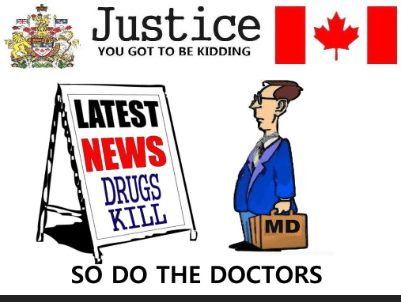
Getting such moral decisions right is critical for the sake of humanity. This practice will spread otherwise. It will become an industry and insiders will defend it; they will use government resources to expand it. They will promote it in state schools. With government behind it, the practice will eventually be tolerated by the public. We cannot allow life and death decisions to be made using capricious and impersonal government standards.
The lack of respect for life in one aspect will lead to a lack of respect in other aspects. Those initially supporting abortion said it would end back alley abortions. Not long ago after, abortions were supposed to be “safe, legal, and rare”. We blew past those fail-safes very quickly. Nobody defends abortion in those terms any longer. Today, we are told abortion is a right; it is “health care”. The Democrat Party treats it as a sacred ritual. Actress Lena Dunham said she wished she had had an opportunity for one herself so she too could celebrate this ritual (never-again). Similarly, the practice of assisted death will migrate from Canada to the US and whatever goal posts are initially provided will be at the bottom of the Atlantic very soon.
We cannot ignore this evil. The unwillingness to protect the lives of the unborn leads to an unwillingness to fight for the lives of adult citizens, starting with the most vulnerable. How can such a culture survive?
A Few Examples
The abuses of this law are bound to come. First, this woman wanted help not advice on how to die. Maybe it was just a simple mix up of being sent to the wrong department?
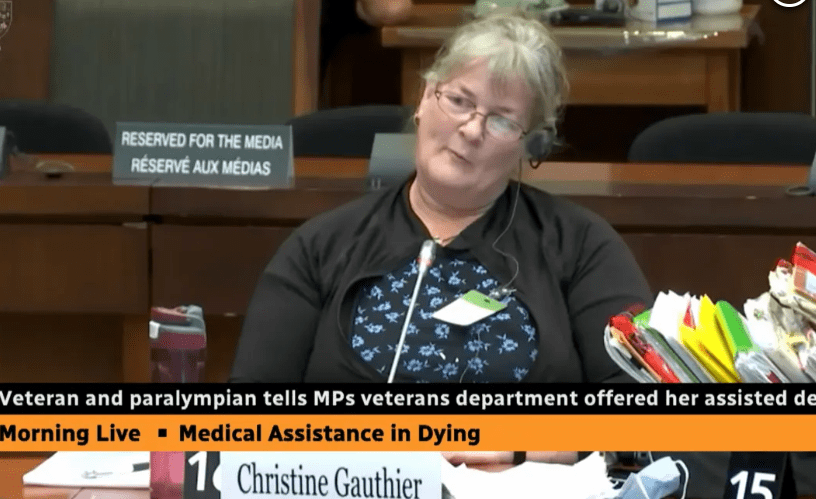
Canada-offered-to-help-euthanize-christine-gauthier
She wanted a little help — not death.
A paraplegic former Canadian military member is ripping her government, which offered to euthanize her after she complained about delays having a wheelchair lift installed in her home.
Last year, Canada proposed expanding the MAID law to include mentally ill, not just for mentally ill people dying, but for ending their lives because mental illness itself is too much of a burden. It seems the lives of the marginalized in our society cannot be ended too soon. These same type of choices are routinely made regarding Downs Syndrome babies in the womb. They are too much of a burden to the rest of us. Tolerance of such practices is destroying our cultural values and literally our culture itself.
https://nypost.com/2022/10/28/canada-expanding-assisted-suicide-law-to-the-mentally-ill/
Another individual regrets the decision made at age 19 and wants to end 14 years of pain following surgery.
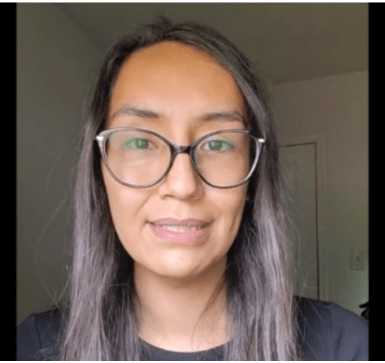
A self proclaimed ‘sterilized First Nations post-op transsexual’ said regret over his medical transition led him to apply for lethal injection in January.
‘I’m in constant discomfort and pain,’ the 35-year-old told DailyMail.com. ‘It’s taking this psychological burden on me. If I’m not able to access proper medical care, I don’t want to continue to do this.’ … She told DailyMail.com that she feels constant pressure, pain and discomfort now, many years after the original surgery.
This is an awful situation, but is this a legitimate reason to die? Lois is still young. Perhaps he can help others to avoid what happened to him? I say his story itself is his opportunity to change the world for the better and to warn others.
Conclusion
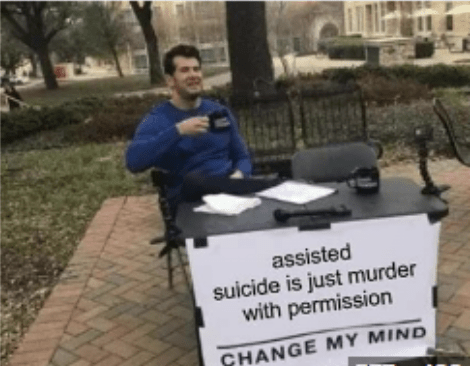
Advocates say death should be dignified and you should have a choice in how you die. Sometimes, life is so hard that death seems a relief. Having lived through difficult end-of-life decisions twice myself, I understand the emotional argument to let someone die and end the pain. However, we need to tread carefully, and examine these decisions from multiple perspectives, perspectives the patient cannot often comprehend. We are not wrong to intervene and respect life at is end. Certainly, accusations will come in any case, but we do not stand by when laws like Canada’s are applied badly, when we essentially attempt to legalize murder.
Dave https://seek-the-truth.com/about/
For more on Life issues: https://seek-the-truth.com/category/life/
 Seek the Truth