Three months ago, I wrote of a First Amendment case argued in the Supreme Court free-speech-advocates-fight-back. Lower courts had ruled in favor of speech and against censorship.
https://www.cbsnews.com/news/supreme-court-government-pressure-social-media-free-speech
A U.S. district court judge said White House officials, as well as some federal agencies and their employees, violated the First Amendment’s right to free speech by “coercing” or “significantly encouraging” social media sites’ content-moderation decisions. The judge issued an injunction restricting the Biden administration’s contacts with platforms on a variety of issues, though that order has been on hold.
Oral arguments to the Supreme Court in March (transcript: Murthy-vs-Missouri), for free speech and against censorship were compelling, and counter arguments were full of holes. This was a critically important decision and I was hopeful the Supreme Court decision would rule in favor of free speech. Unfortunately, the Supreme Court’s June 26 decision reversed the earlier ruling. It was yet another not-so-conservative decision from the so-called “ultra conservative” court. Censorship remains alive and well, and the sheriff is currently asleep.
supreme-court-decision-murthy-v-missouri
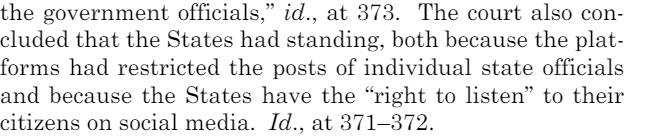
The original ruling said the plaintiffs had “standing”:
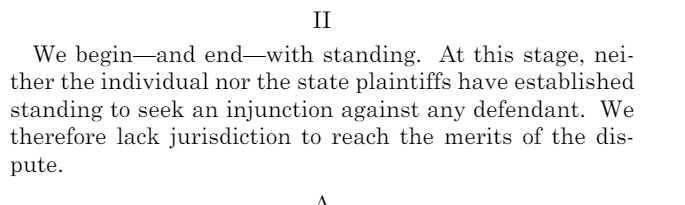
The Supreme Court disagreed:
The Supreme Court did not actually acquit the government of wrongdoing. In fact, the decision highlighted many serious concerns. However, this decision is their way of kicking the can down the road: Please, don’t give us this hot potato! We don’t want to decide this one! This is an appalling act of cowardice. Freedom of speech is the quintessential American value, yet the court does not want to be bothered.
In the meantime, government has free reign to “influence” social media companies; it can continue to limit free speech under the guise of combatting misinformation and disinformation.
Open the Town Square!
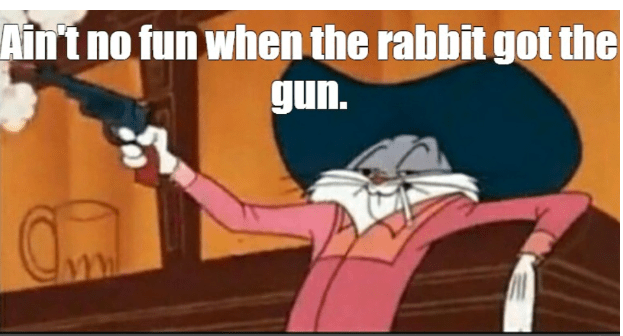
One side’s disinformation is another side’s truth. Who among us can unfailingly discern the truth, in any case? We all offer our opinions, but we should never be allowed to silence opposing opinions. It is not the proper way to win an argument. Certainly, government should not wield that power. How many times does the government have to get the story wrong before we realize the threat they can be?
Of course, some content should be legitimately restricted (e.g. criminal activity, pornography). Furthermore, some content is not appropriate for a particular site’s business model. Still, given the recent (excessive) abuses and the significance of social media these days, we should be concerned when legitimate content is removed or excluded. The public should hear a diversity of opinion and engage in debate on all important public issues. Aren’t we all supposed to support diversity as a source of strength?
“There were some advertisers who were insisting on censorship, and at the end of the day … if I have to make the choice censorship and money or free speech and losing money we’re going to pick the second,” Elon Musk, June 2024
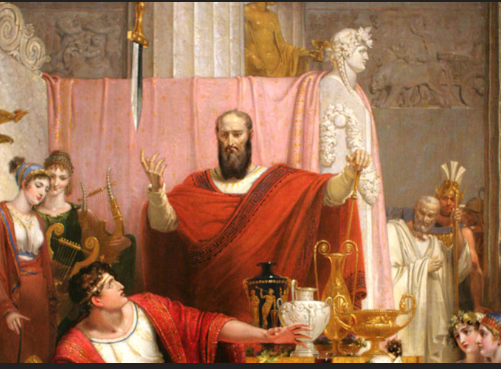
Social media companies: Google, Facebook, YouTube, Twitter have significant power over the public debate, but government is the biggest player in virtually any arena these days (alas!). The First Amendment prohibits government from limiting free speech because of this reality. Government should not skirt the rules and make puppets of social media (or any other media). Looking away while government pressures social media is extremely dangerous, not to mention foolhardy.
Social media companies are also protected from liability by (outdated) legislation. Government has exploited this vulnerability to its advantage, threatening that protection (and potentially profits and spheres of influence), holding a sword of Damocles over their heads.
https://en.wikipedia.org/wiki/Section_230
Section 230 is a section of Title 47 of the United States Code that was enacted as part of the Communications Decency Act of 1996 . . . and generally provides immunity for online computer services with respect to third-party content generated by its users. At its core, Section 230(c)(1) provides immunity from liability for providers and users of an “interactive computer service” who publish information provided by third-party use
Section 230(c)(2) further provides “Good Samaritan” protection from civil liability for operators of interactive computer services in the good faith removal or moderation of third-party material they deem “obscene, lewd, lascivious, filthy, excessively violent, harassing, or otherwise objectionable, whether or not such material is constitutionally protected.”
The town square should be open to as many as possible. The court must affirm this principle. Thousands of pages of evidence to the contrary provided by the plaintiff’s counsel were not enough to alarm them:
MR. AGUIÑAGA: but the moment that the government identifies an entire category of content that it wishes to not be in the modern public sphere, that is a First Amendment problem. …. And there’s an entire volume — I mean, we’ve got 20,000 pages in this record of the government persistently going back to platforms again and again, pushing them to adjust their policies, change their policies, do more censoring. And I think that’s what makes this case so unique, is that you not only have this vast repetition of communications, but it’s all — again, the bulk of it is behind closed doors. And that’s what’s so pernicious about this . . .
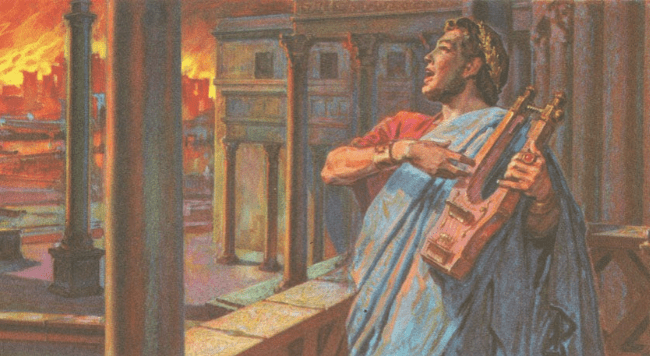
In all, there were 26,000 pages submitted, an overwhelming volume for justices to ponder. Several egregious examples were also highlighted during oral arguments. The obvious attacks on free speech are mounting, but the court still fiddles.
What are You Worried About?

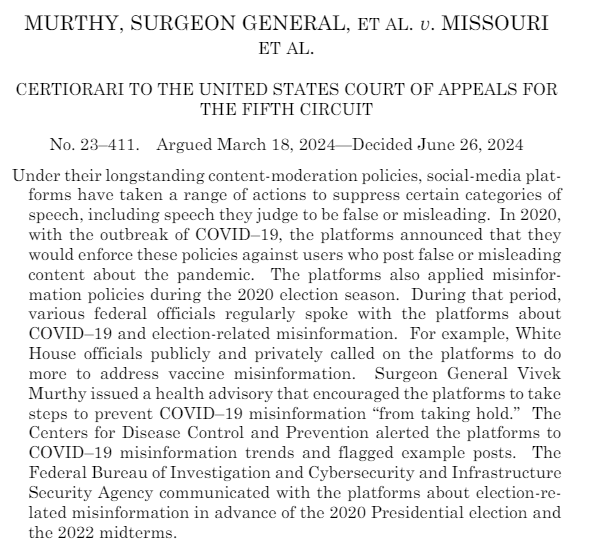
A few of the justifications for the ruling are listed in the court’s initial summary.
The plaintiffs fail, by and large, to link their past social-media restrictions and the defendants’ communications with the platforms. . .
The state plaintiffs assert a sovereign interest in hearing from their citizens on
social media, but they have not identified any specific speakers or topics that they have been unable to hear or follow.
To establish standing, the plaintiffs must demonstrate a substantial risk that,
in the near future, they will suffer an injury that is traceable to a Government defendant and redressable by the injunction they seek. Because no plaintiff has carried that
burden, none has standing to seek a preliminary injunction.
The Hunter Biden laptop story was suppressed in October 2020, just weeks prior to the election. The laptop was instantly declared “Russian disinformation” (a lie repeated by the FBI and candidate Biden himself). A story about the actual laptop by the New York Post was removed from Twitter.
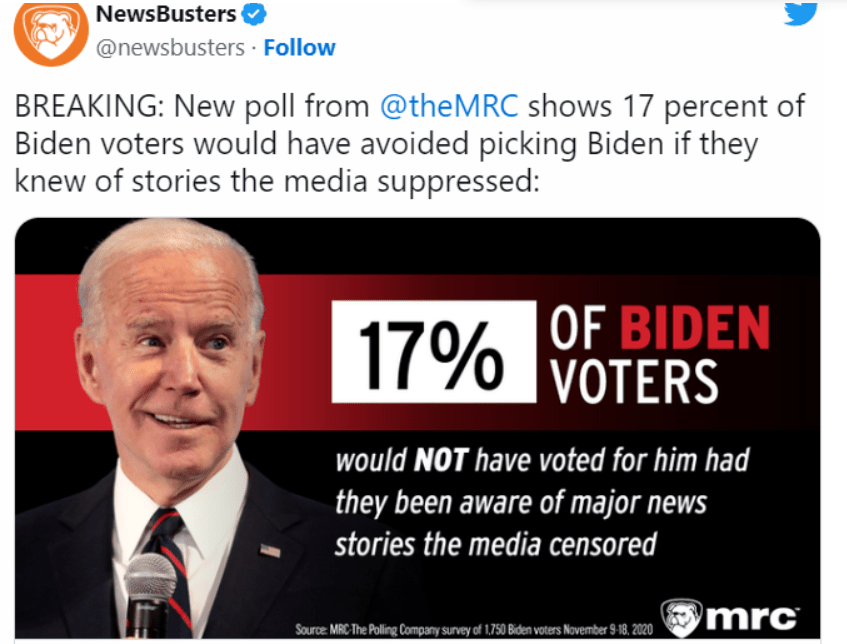
The Biden laptop article was devastating to the campaign, and was suppressed only to protect it. Yes, many of us were able to follow the story; we knew what was happening, but many others were excluded; they never learned there was an actual laptop until after the election; they never knew the FBI had been investigating Hunter Biden since a year before the election; they never heard the credible witness Tony Bobulunski who told us “10% was held for the big guy” (Joe Biden). The suppression worked long enough. The mission was accomplished.
Yet, it wasn’t disinformation, after all. This supposedly not real laptop was presented by the FBI during Hunter Biden’s trial in June 2024. Fifty-one former intelligence officials who said it was disinformation in 2020 have been silent since. https://www.cnn.com/2024/05/22/politics/hunter-biden-laptop-gun-trial-special-counsel/index.html. Of course, the lie can be exposed now; the desired results were already achieved.
We were all harmed by this action, even if we were not all in the dark. The 2020 election, and the fate of our country the next few years were inexorably altered by it. The court, in all its wisdom, acknowledges these suspect actions, but then does nothing to prevent further harm.
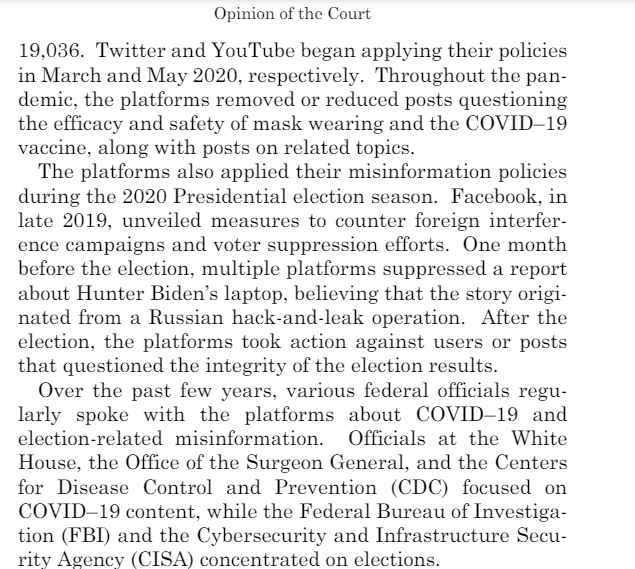
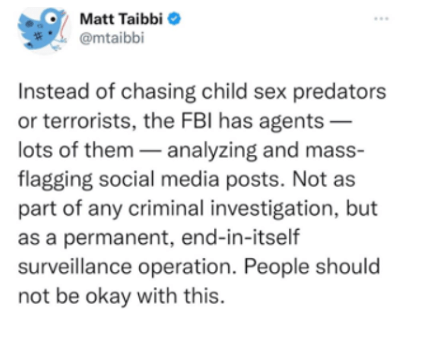
The defendant in the case was Surgeon General Vivek Murphy, but he had several compatriots: the White House, CDC, FBI, and CISA, all of whom censored doctors, media, politicians, journalists, etc., folks they said were providing misinformation regarding COVID vaccines or the election to the public.
Yet, the vaccines did not acquit themselves over time (and the folks censored often turned out to be correct) lets-put-the-science-on-trial. Censoring so-called election misinformation is even more dicey. Such action inevitably favors one political party. These days, we hear all manner of outrageous claims made regarding political opponents. Why suppress information only in this one instance? Furthermore, the suppressed information was once again validated. The smoking gun has been fully revealed. The government blew it yet again–but then they weren’t actually trying to get it right. They got the preferred outcomes in the 2020 presidential election and the 2022 mid-term election. The complete debate should have been allowed without government putting its heavy hand on the scale.
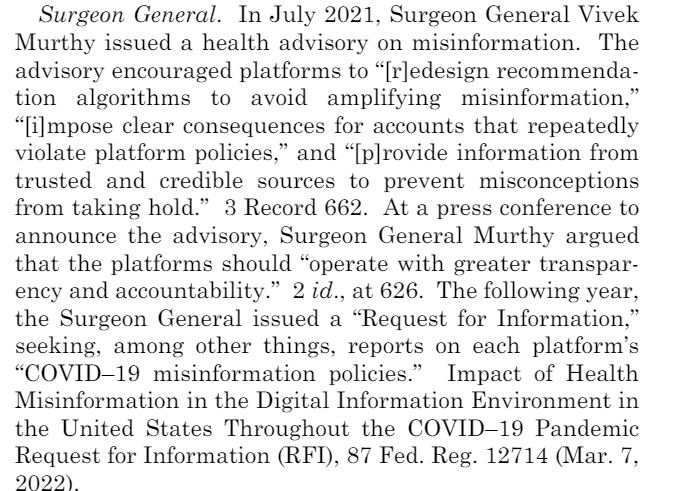
Yes, it would be wonderful if government and social media did indeed “operate with greater transparency and accountability,” but we had everything but that. Even if government’s intent was pure, their ability to affect transparency and accountability should be doubted. Like everyone else, government has its own point of view to further. Its leaders are often politically appointed, and represent one political party, not the views of its own employees, nor the interest of the public in general. They inject their biases, suppressing some voices, but allowing others who acted similarly to speak. Furthermore, government yields the biggest stick of all, and has the ability to tilt the playing field like no other.

We should be concerned with government and social media collaborating again in 2024–and after this ruling there is nothing to stop nefarious actors from censoring more speech. Even when the biased hidden agenda is exposed, the risk is clearly worth the reward to the bad actors. There are enough voters who will be fooled: deny there is a hidden agenda and then when the hidden agenda is finally exposed, say it was for the public good, in any case.
Media outlets can promote their own views to the exclusion of others, but our Constitution absolutely restricts government’s ability to impinge on free speech. Government abuses must be stopped. Government needs to abide by its Constitutional limitations.
As further justification for its ruling, the court said social media had suppressed others speech even before the events covered by this suit. In other words, social media initiated the censoring, so don’t blame government for piling on.
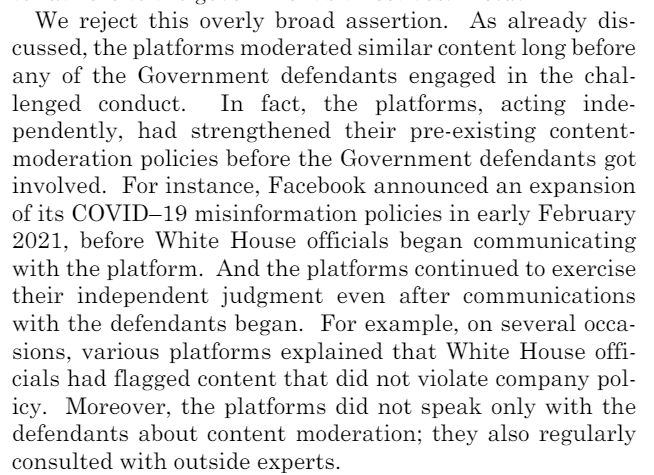
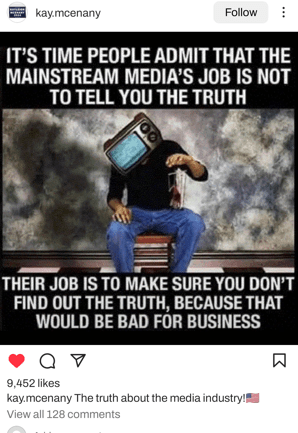
This misses the point altogether. Media, since the nation’s founding has always had the ability to print what they like and withhold what they do not.
Unless media libels an individual, they are rarely sued for their distortions; however, media has frequently had some difficulty with simply reporting the truth. The New York Times supported Hitler before World War II. https://www.marklevinshow.com/2021/06/21/the-new-york-times-nazi-correspondent/ They also refused to print the whole story regarding the Holocaust during the war https://teachingamericanhistory.org/blog/silence-in-the-storm-the-new-york-times-coverage-of-the-holocaust-during-wwii/ . The newspaper somehow lived on with its reputation among many in tact.
Media can (and often does) shamelessly promote political candidates: ignoring the negative news of their preferred candidates, distorting the views of disliked candidates, smearing those disagreeing with their choices, etc. They promote their own views and preferred candidates often through questionable tactics. We combat their (often silly or dangerous) views by highlighting inconsistencies, not by silencing them for misinformation.
Today’s media is a big problem, and is not trusted by large swaths of the population with good reason. Still, the point is: media is protected by the First Amendment, and allowed to say whatever idiotic things they like. Their reputation will not be repaired by government by suppressing opposing legitimate views. They will remain in business so long as people want to hear their opinions or, in the case of social media, use their product. Government should not involve itself. Period.
There are hundreds of media and social media outlets. They often compete with each other, so their power is dispersed. Today’s internet allows individuals like me to be heard as well. Government’s ability to influence the entire marketplace and to threaten livelihoods or simply suppress (often legitimate) views, makes them the most formidable force. Their power must be curbed as intended by the Constitution.
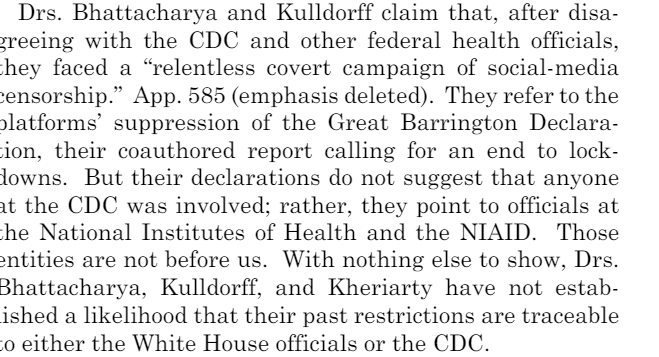
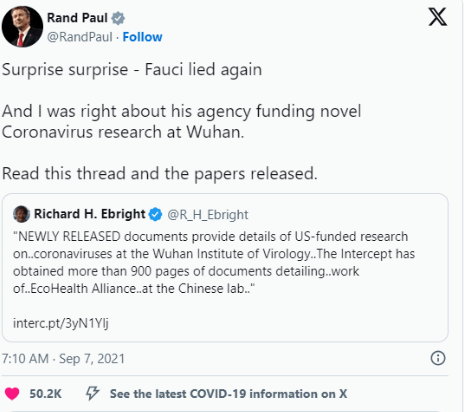
Dr. Bhattacharya and Dr. Kuldorff were outspoken critics of public health policy the last few years. They authored the Great Barrington Declaration, a sensible alternative to government policy. Dr. Fauci (NAIAD director) and Dr. Collins (NIH director) called these two (Harvard and Stanford faculty members) “fringe epidemiologists”; they needed to be discredited to advance the NIH narrative over the Great Barrington Declaration.
Because the defendants could not link Dr. Fauci and Dr. Collins actions to another government agency, the court discounted the suit. Yet, the NIH falls under the purview of the executive branch, and Dr. Fauci was a key advisor to both Presidents Trump and Biden. What more of a link is needed? Instead, the White House, the Surgeon General, and the rest of the defendants only wink at these nefarious actions, letting government off the hook.

The court actually acknowledges the White House was directly involved in censoring (and targeting another presidential rival to boot); still, the defendants are denied standing to sue an out-of-control government.
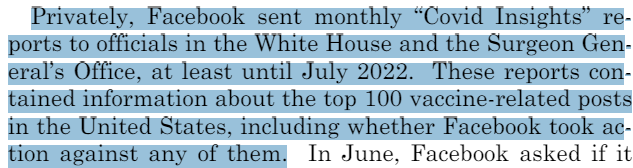
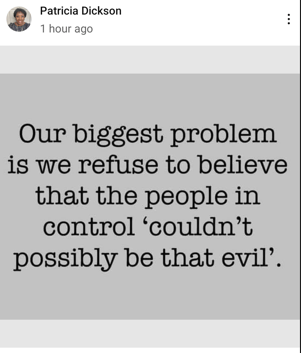
Why would Facebook provide information to the government regarding posts and censorship? Facebook can restrict content on their own platforms (although they have clearly applied their own rules inconsistently); however, the government should play no role. Is Facebook simply being a good citizen and informing their equal partners or is Facebook looking for direction from a senior partner?
The court’s decision is pure sophistry. It excuses the government’s behavior, while also noting damning evidence implicating the government. The court demands an eyewitness to the murder instead of convicting the murderer based on overwhelming circumstantial evidence (as is so often done).
Judge Alito drafted the dissenting opinion. He notes nobody (not the government, not social media, not anybody nor any organization) can manage and control misinformation and disinformation. When we try, we make mistakes and suppress “valuable speech”.
I assume that a fair portion of what social media users had to say about COVID–19 and the pandemic was of little lasting value. Some was undoubtedly untrue or misleading, and some may have been downright dangerous. But we now know that valuable speech was also suppressed. That is what inevitably happens when entry to the marketplace of ideas is restricted.
He also notes government violated its Constitutional limitations.
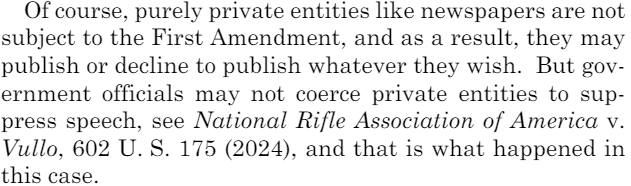
He says “the record before us is vast”, and then focuses on egregious violations.
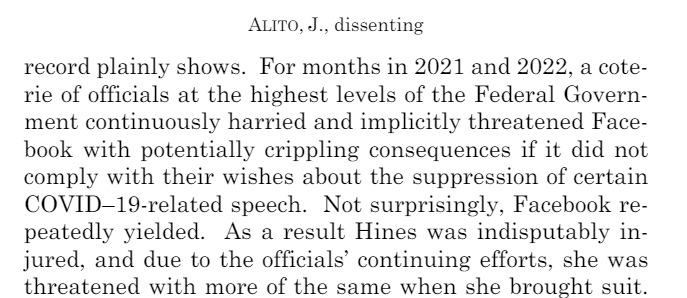
He also encapsulated the problem quite well during oral hearings in March:
JUSTICE ALITO: Mr. Fletcher, when I read all of the emails exchanged between the White House and other federal officials on Facebook in particular but also some of the other platforms, and I see that the White House and federal officials are repeatedly saying that Facebook and the federal government should be partners, we’re on the same team, officials are demanding answers, I want an answer, I want it right away, when they’re unhappy, they — they curse them out. There are regular meetings. There is constant pestering of — of Facebook and some of the other platforms and they want to have regular meetings, and they suggest why don’t you — they suggest rules that should be applied and why don’t you tell us everything that you’re going to do so we can help you and we can look it over.
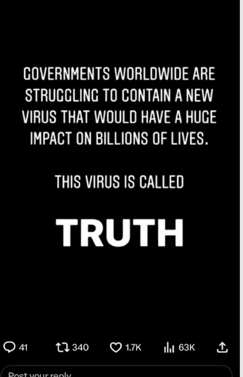
And I thought: Wow, I cannot imagine federal officials taking that approach to the –the — the print media, our representatives over there. If you — if you did that to — to them, what do you think the reaction would be? And so I thought: You know, the only reason why this is taking place is because the federal government has got Section 230 and antitrust in its pocket and it’s — to mix my metaphors, and it’s got these big clubs available — available to it, and so it’s treating Facebook and these other platforms like they’re subordinates.
Yes, of course: let’s be partners for the public good. We all want what is best for everyone, right? We all want the truth, right? Of course, if you, the junior partner, waver on our unique version of the truth, we will remind you: “it sure would be a shame if that Section 230 protection goes up in smoke.” Justice Alito noted this vulnerability in his dissent:
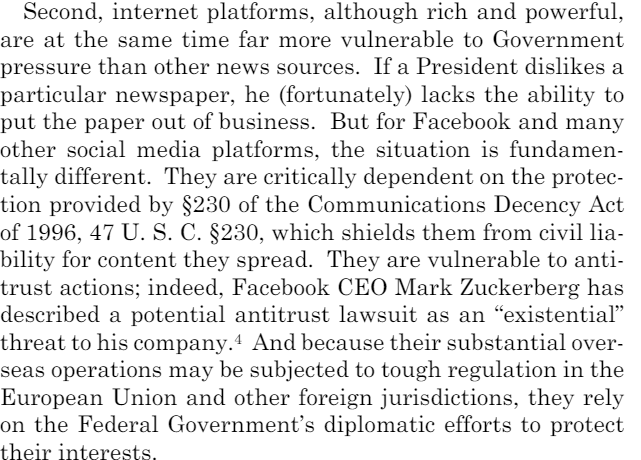
He adds: “The record in this case shows that high-ranking officials skillfully exploited Facebook’s vulnerability”. The plaintiff’s advocate also highlighted egregious acts during oral arguments in March.
MR. AGUIÑAGA: you’ve got this email from Nick Clegg, who is, you know, former Deputy Prime Minister of the UK, and after all of this pressure for months and months and months, he sends this email to Vivek Murthy, the Surgeon General, and he says: Dear Vivek, thanks for taking the time to meet. I wanted to make sure you saw the steps we took past — this past week to adjust policies on what we’re removing to take steps to further address the Disinfo Dozen. We’ve removed 39 profiles, pages, groups, Instagram accounts. We’re continuing to make other accounts harder to find.
I mean, this is an example of platforms moving beyond what their own policies required because they felt pressure to take more action and to censor more speech. And, Your Honor, if that’s — I mean, if that’s not the clearest example of the government doing–
Ultimately, the court failed us. Crime does indeed pay once you perfect the grift.
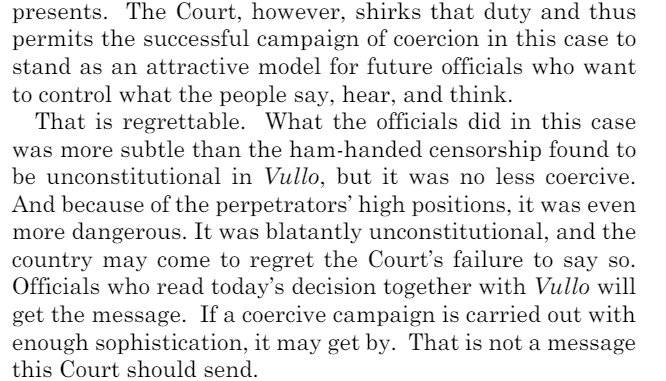
Social media received the message sent, removing the offensive posts to please the overbearing government. Just remember: this is for the public good. We must maintain a consistent narrative to avoid confusion.
Where Do We Go From Here?
We must highlight the inconsistencies and make more of our fellow citizens aware of the egregious violations taking place. Government commits these abuses because its power is excessive.
- They spend too much money and are bankrupting the nation. Force them to limit spending and their power will be reduced and we will have a future.
- There are too many federal employees. As a federal employee myself, I know there are many positions with no useful purpose. Limit the size and scope of the federal workforce and their constituency will be reduced.
- Too many elected officials are either in government for themselves or are corrupted over time. Limit the terms of Congress and the judiciary, and their undue influence will be reduced
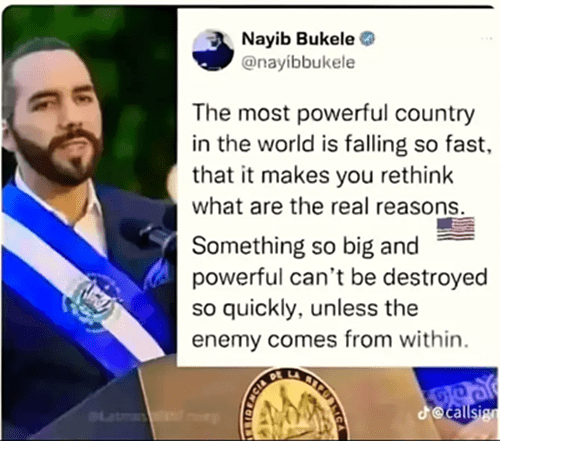
Without further limits, an out-of-control government will continue to expand its power and yield it haphazardly. The government has been exceptionally scary the last four years. This behemoth must be tamed. Otherwise, there will be more frequent and more egregious violations.
Dave https://seek-the-truth.com/about/
https://seek-the-truth.com
https://seek-the-truth.com/category/culture
 Seek the Truth
One thought on “Can Our First Amendment Rights Hold?”